

Exploring Northeast India's Top 20 Eco-tourism Gems
August 1, 2024

Prakash Sharma
Eco-tourism, or responsible travel that promotes the conservation of natural habitats and benefits local populations, has become increasingly important in our pursuit of sustainable travel. Northeast India, with its stunning scenery, diversified fauna, and unique civilizations, has a plethora of eco-friendly sites. These assets, however, are under threat from climate change, habitat degradation, and unsustainable practises. In this article, we will look at the top 20 eco-tourism places in Northeast India, emphasise their value, and discuss how to preserve them for future generations.
- Kaziranga National Park, Assam:
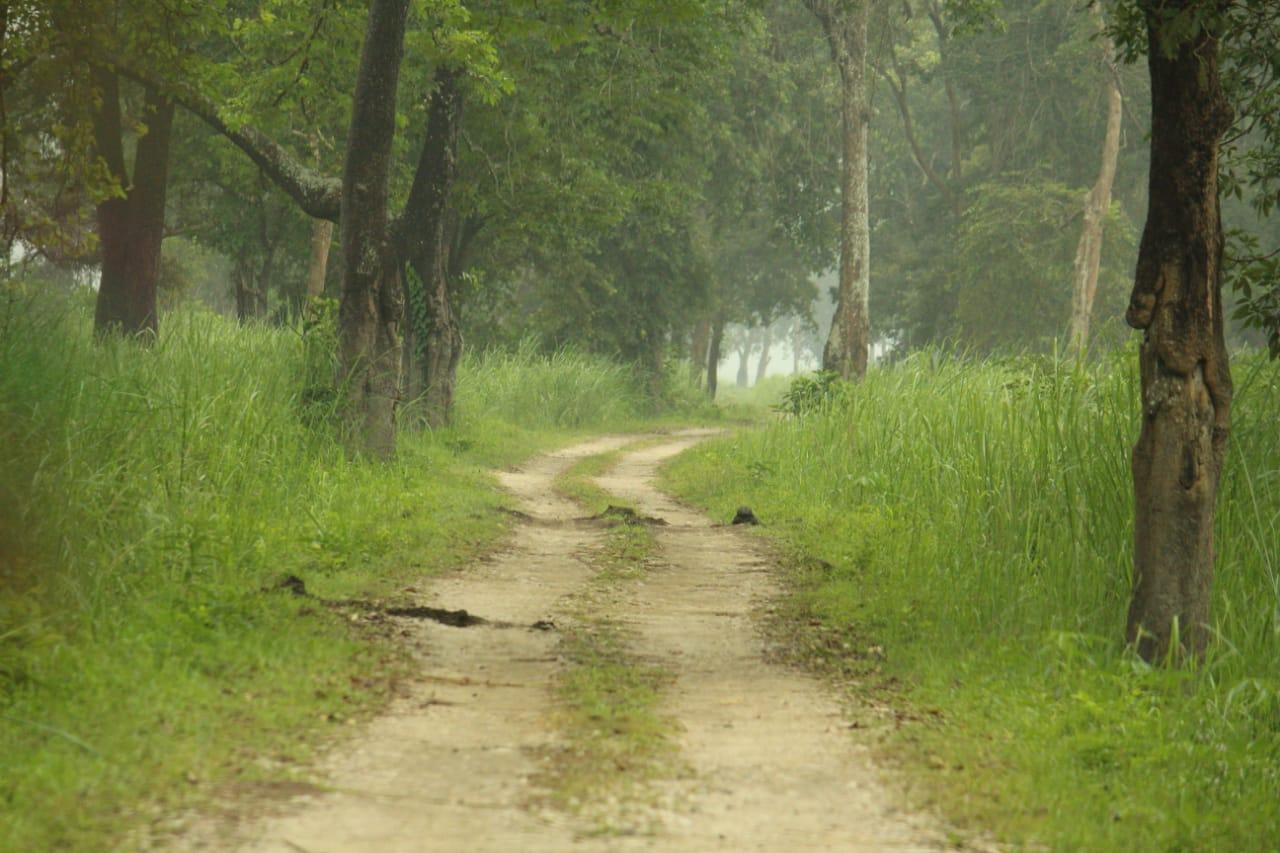
Kaziranga National Park, a UNESCO World Heritage Site, is renowned for its successful conservation efforts, particularly in protecting the one-horned rhinoceros. Situated in the floodplains of the Brahmaputra River, the park encompasses vast grasslands, marshes, and dense forests. Alongside the iconic rhinoceros, visitors can spot other wildlife such as tigers, elephants, wild water buffalo, and numerous bird species. Kaziranga's sustainable initiatives focus on community engagement, wildlife protection, and responsible tourism practices. Local communities are actively involved in conservation efforts and sustainable livelihood projects, contributing to the park's preservation.
- Majuli, Assam:

Majuli, the largest river island in the world, is a cultural and ecological paradise. It is inhabited by the Mishing tribe, known for their unique traditions, colorful festivals, and traditional art forms. Visitors to Majuli can witness mesmerizing mask-making, pottery, and traditional weaving. The island also boasts breathtaking wetlands and bird sanctuaries, providing a haven for birdwatchers and nature enthusiasts. Majuli's sustainable initiatives prioritize preserving the island's cultural heritage, protecting its fragile ecosystem, and promoting sustainable tourism practices. Visitors can engage with local communities, support traditional crafts, and participate in eco-friendly activities like birdwatching and nature walks.
- Mawlynnong, Meghalaya:
Mawlynnong, a small village in the state of Meghalaya, has gained international recognition as "Asia's Cleanest Village." Known for its pristine cleanliness and meticulous waste management, Mawlynnong showcases the power of community-driven initiatives. Visitors are welcomed by immaculately clean streets adorned with blooming flowers and bamboo dustbins at every corner. The village's sustainable practices extend beyond cleanliness, with an emphasis on eco-friendly initiatives such as rainwater harvesting, organic farming, and plastic waste management. Mawlynnong offers a serene and sustainable experience, allowing visitors to witness responsible tourism in action.
- Dzukou Valley, Nagaland:
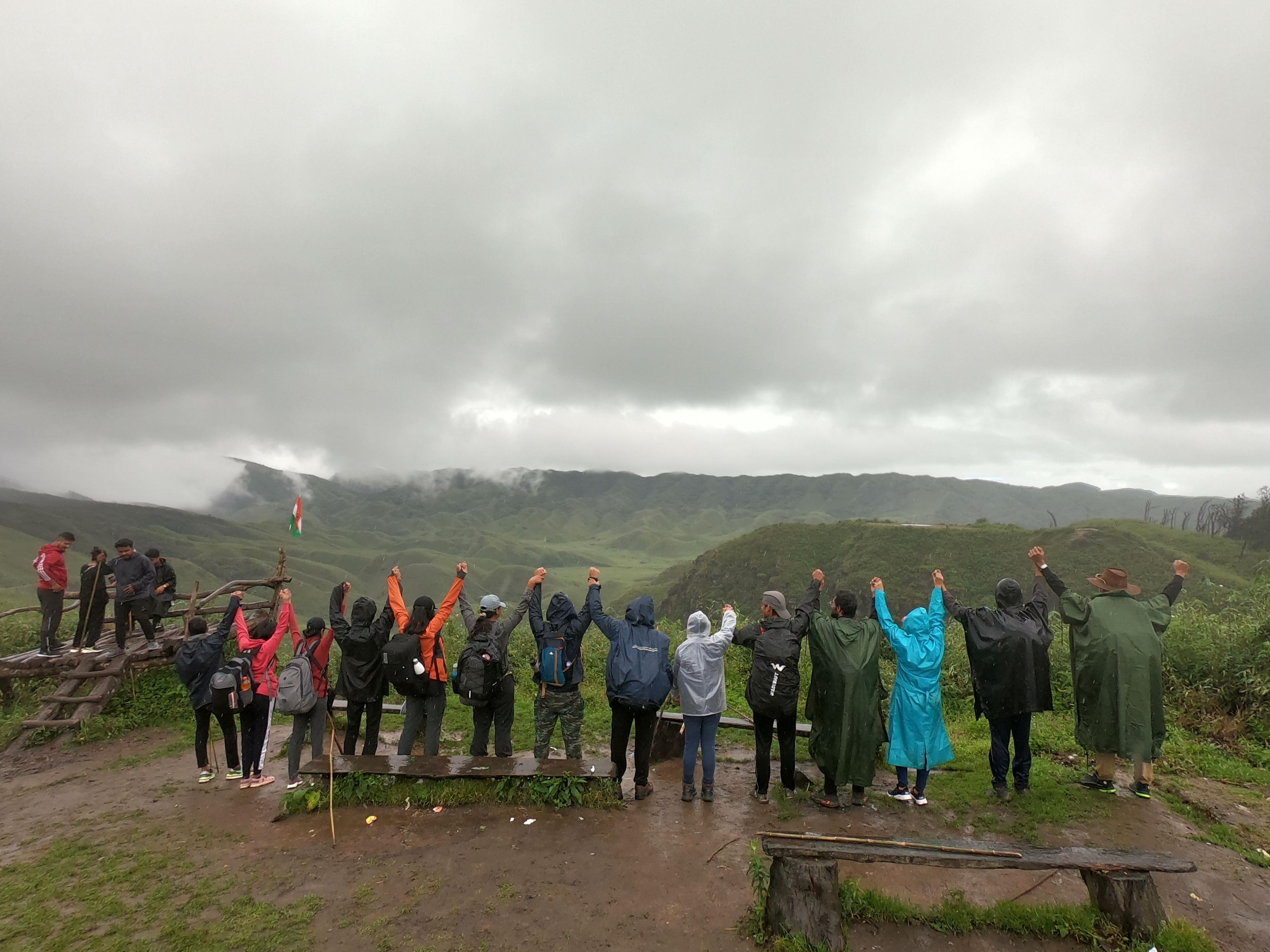
Tucked between the borders of Nagaland and Manipur, Dzukou Valley is a hidden gem known for its breathtaking beauty. The valley is adorned with colorful flowers, verdant forests, and crystal-clear streams, making it a paradise for nature lovers and trekking enthusiasts. Trekking through Dzukou Valley unveils panoramic views of rolling hills, mist-covered landscapes, and vibrant rhododendron blooms. The valley's unique biodiversity includes numerous orchid species, rare lilies, and medicinal plants. Conservation efforts in Dzukou Valley focus on preserving its fragile ecosystem, preventing forest fires, and promoting sustainable trekking practices. Local communities actively participate in conservation initiatives and eco-tourism activities, ensuring the valley's long-term sustainability.
- Tawang, Arunachal Pradesh:
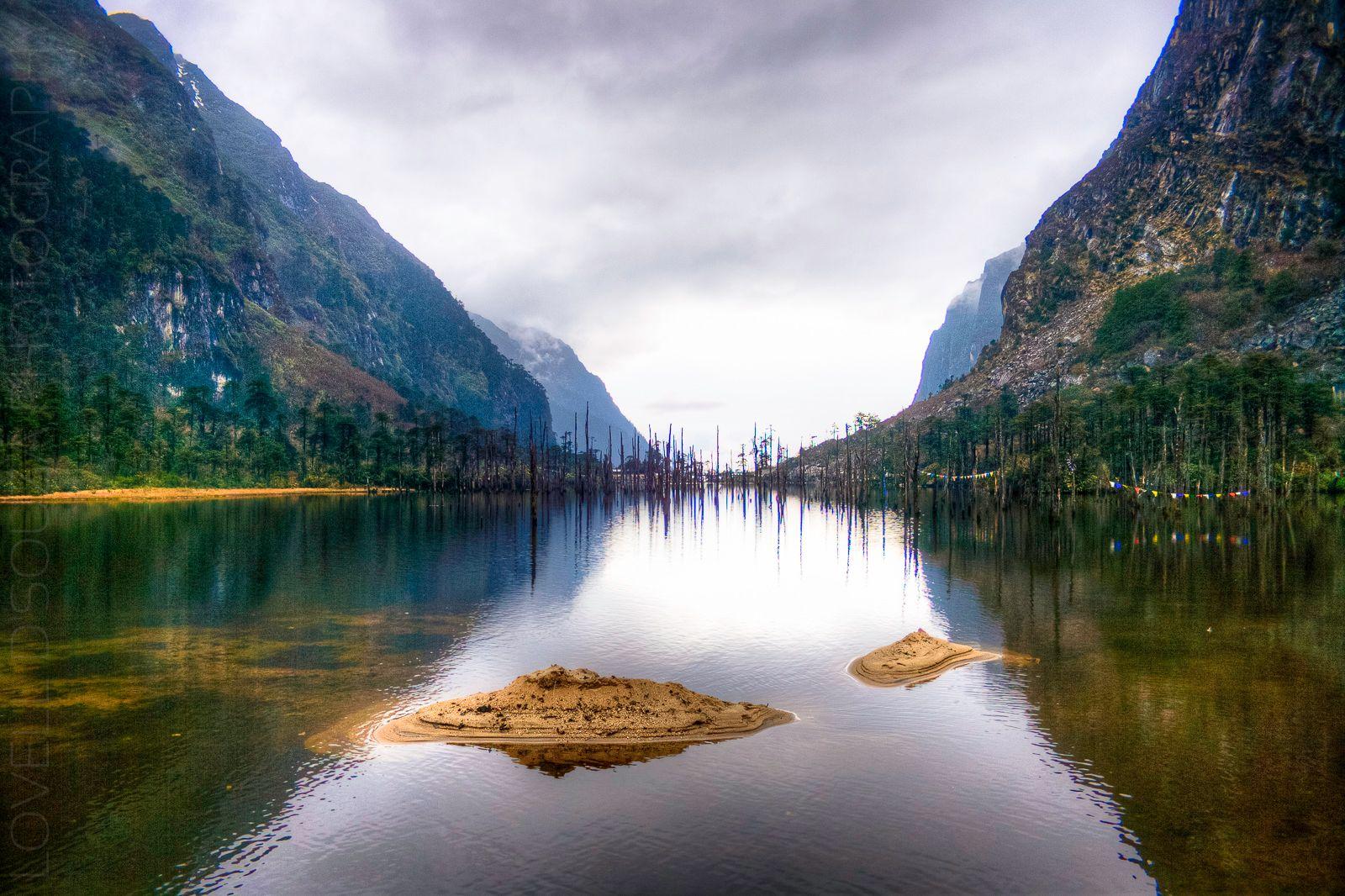
Situated in the remote reaches of Arunachal Pradesh, Tawang is a picturesque town nestled amidst the snow-capped Himalayas. The town is known for its awe-inspiring landscapes, including high-altitude lakes, dramatic waterfalls, and towering peaks. Tawang Monastery, one of the largest Buddhist monasteries in the world, stands as a testament to the region's rich cultural heritage. Visitors can explore the monastery, witness vibrant festivals, and engage with the Monpa tribe, known for their warm hospitality and traditional way of life. Tawang prioritizes responsible tourism by preserving its cultural traditions, promoting community-based initiatives, and ensuring sustainable development. Local communities actively participate in eco-friendly practices, such as homestays, organic farming, and handicrafts, providing visitors with an authentic and sustainable experience.
- Khangchendzonga National Park, Sikkim:
Nestled in the lap of the Himalayas, Khangchendzonga National Park is a UNESCO World Heritage Site and a biodiversity hotspot. The park is named after Mount Khangchendzonga, the third-highest peak in the world. Its breathtaking landscapes include glaciers, alpine meadows, and high-altitude lakes. The park is home to rare and endangered species like the snow leopard, Himalayan black bear, and red panda. Sustainable initiatives focus on conservation, research, and community-based ecotourism, allowing visitors to appreciate the park's ecological wonders while supporting local livelihoods.
- Nokrek National Park, Meghalaya:
Nokrek National Park, located in the Garo Hills of Meghalaya, is a hotspot of biodiversity and cultural heritage. It is renowned as the "Abode of the Meghalaya's State Animal" due to its population of the endangered western hoolock gibbon. The park features dense forests, cascading waterfalls, and limestone caves waiting to be explored. Conservation efforts in Nokrek National Park aim to protect the diverse flora and fauna and preserve the traditional knowledge of the indigenous Garo tribe. Visitors can engage in guided treks, wildlife spotting, and community-based tourism initiatives.
- Ziro Valley, Arunachal Pradesh:
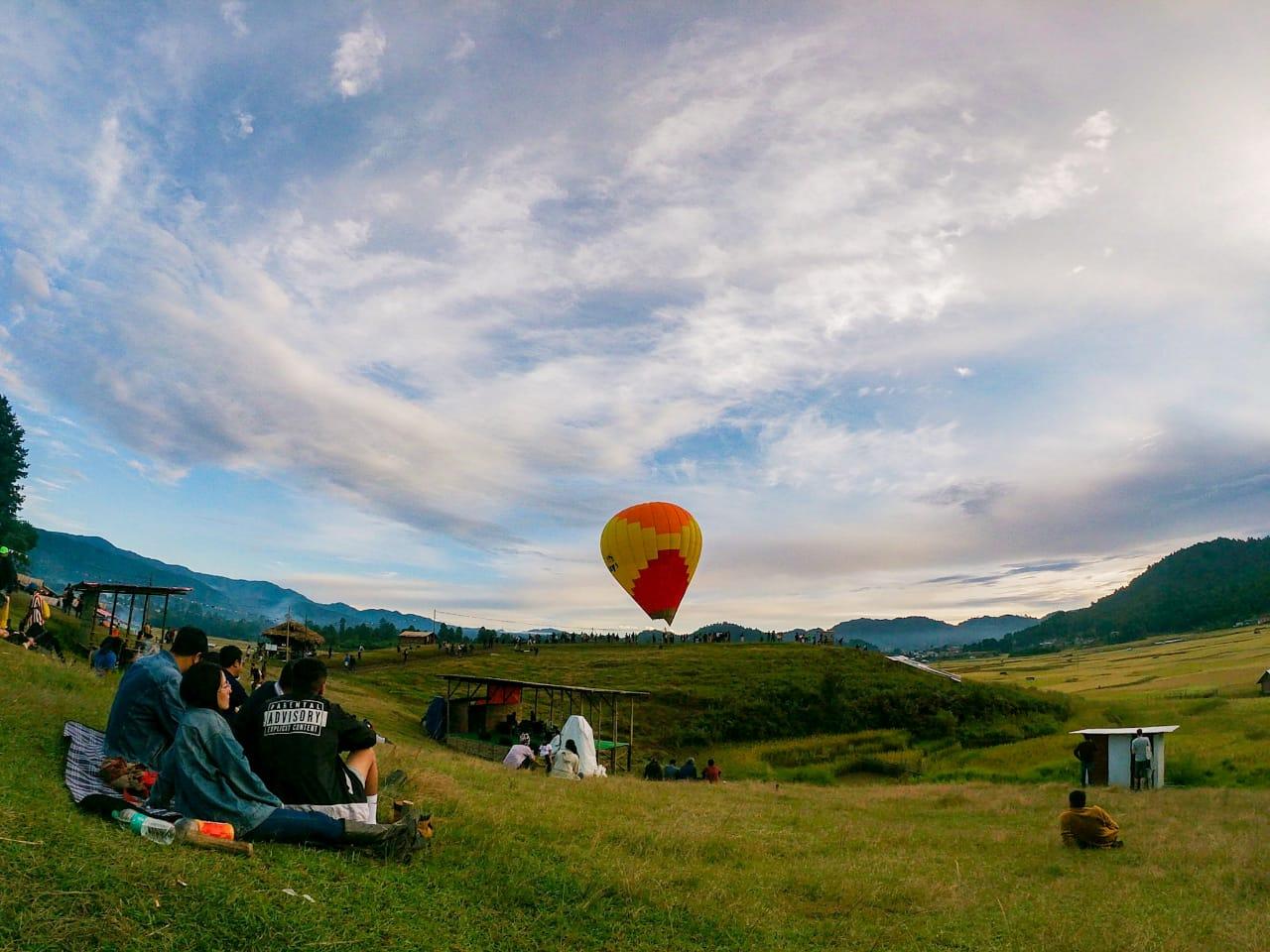
Ziro Valley, nestled in the Lower Subansiri district of Arunachal Pradesh, is a picturesque destination blessed with scenic beauty and rich cultural heritage. The valley is adorned with lush paddy fields, bamboo groves, and picturesque landscapes. It is inhabited by the Apatani tribe, known for their unique traditions and sustainable agricultural practices. Visitors can witness the Apatani's traditional housing style, intricate handloom work, and colorful festivals. Ziro Valley promotes sustainable tourism through community involvement, offering homestays, guided village tours, and cultural exchanges that provide visitors with an authentic and immersive experience.
- Singalila National Park, West Bengal:
Situated on the border of India and Nepal, Singalila National Park is a paradise for nature enthusiasts and trekkers. The park offers breathtaking views of the snow-clad peaks of the Himalayas, including the iconic Mount Everest and Kanchenjunga. It is home to rare species like the red panda, clouded leopard, and Himalayan black bear. Singalila National Park emphasizes wildlife conservation, forest management, and sustainable tourism practices. Visitors can embark on thrilling treks, stay in eco-friendly lodges, and support the local community's conservation efforts.
- Dampa Tiger Reserve, Mizoram:
Dampa Tiger Reserve, located in the lush forests of Mizoram, is a sanctuary for diverse wildlife, including the elusive clouded leopard and hoolock gibbon. The reserve is known for its dense tropical forests, gushing rivers, and cascading waterfalls. Visitors can participate in jungle safaris, birdwatching expeditions, and nature trails while supporting the reserve's sustainable tourism initiatives. Dampa Tiger Reserve actively involves local communities in conservation efforts and eco-tourism activities, ensuring the long-term protection of its natural treasures.
- Loktak Lake, Manipur:
Loktak Lake, the largest freshwater lake in Northeast India, is a unique destination known for its floating islands, called phumdis. The lake is home to the indigenous community of fishermen, the Keibul Lamjao villagers, who depend on the lake's resources for their livelihood. Loktak Lake is recognized as a Ramsar Wetland Site, highlighting its ecological significance. Sustainable initiatives focus on preserving the lake's biodiversity, promoting responsible tourism, and empowering the local community. Visitors can explore the lake on traditional wooden boats, spot rare bird species, and learn about the traditional fishing practices of the villagers.
- Manas National Park, Assam:
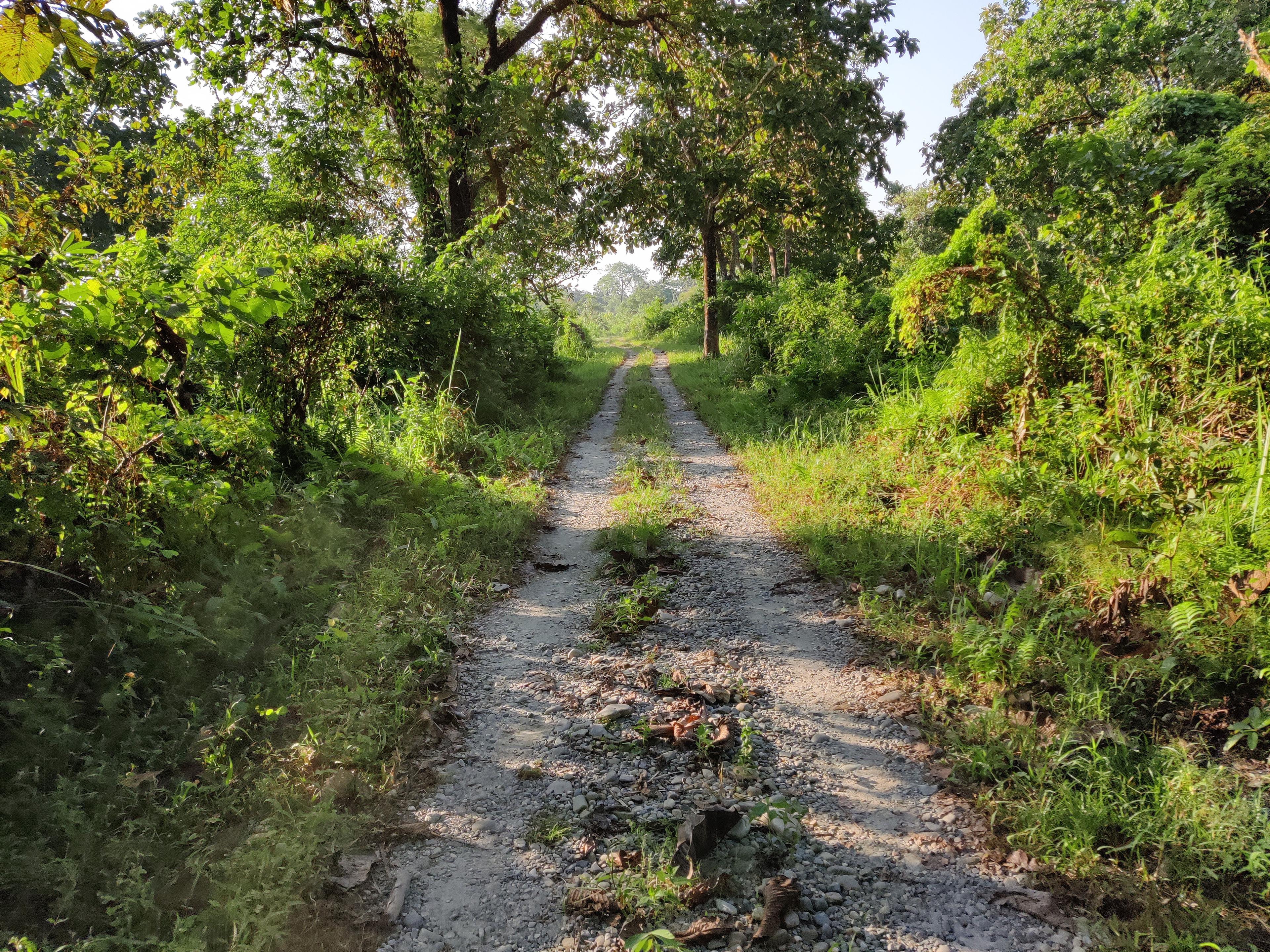
Manas National Park, a UNESCO World Heritage Site, is a pristine wilderness nestled in the foothills of the Eastern Himalayas. It is known for its rich biodiversity, including the Bengal tiger, Indian rhinoceros, and pygmy hog. The park's unique combination of grasslands, forests, and wetlands creates a diverse habitat for numerous species. Sustainable initiatives in Manas National Park revolve around conservation, community engagement, and eco-tourism. Visitors can enjoy wildlife safaris, nature walks, and cultural interactions with the indigenous Bodo community.
- Nameri National Park, Assam:
Located in the foothills of the Eastern Himalayas, Nameri National Park is a haven for nature lovers and adventure enthusiasts. The park is characterized by its dense forests, glistening rivers, and rare wildlife species such as the Bengal tiger and Asian elephant. Nameri National Park focuses on conservation, anti-poaching efforts, and sustainable tourism practices. Visitors can indulge in river rafting, birdwatching, and jungle treks, while contributing to the park's conservation initiatives and supporting the local communities.
- Keibul Lamjao National Park, Manipur:
Keibul Lamjao National Park, situated in Manipur, is the world's only floating national park. It is known for its unique ecosystem, with the Loktak Lake serving as a floating habitat for the endangered Manipur brow-antlered deer, also known as the Sangai. The park's sustainable initiatives revolve around the preservation of the Sangai and the conservation of the lake's ecology. Visitors can explore the park on traditional boats, spot rare bird species, and witness the traditional fishing techniques practiced by the local communities.
- Pelling, Sikkim:
Pelling, a serene town in the state of Sikkim, offers breathtaking views of the snow-capped peaks of the Himalayas, including the majestic Kanchenjunga. The town is renowned for its scenic beauty, ancient monasteries, and tranquil atmosphere. Pelling promotes sustainable tourism through eco-friendly accommodations, waste management practices, and community-based initiatives. Visitors can engage in cultural tours, monastery visits, and explore the town's pristine natural surroundings while supporting the local economy and preserving the fragile ecosystem.
- Dibru-Saikhowa National Park, Assam:
Dibru-Saikhowa National Park, located in Assam, is a biodiverse hotspot renowned for its wetlands, grasslands, and riverine forests. The park is home to several endangered species, including the critically endangered Bengal florican and white-winged wood duck. Visitors can explore the park through boat safaris, nature walks, and birdwatching expeditions. Dibru-Saikhowa National Park emphasizes sustainable initiatives such as wildlife conservation, habitat restoration, and community involvement. Visitors can support the park's efforts by engaging in responsible tourism practices and raising awareness about its ecological significance.
- Cherrapunjee, Meghalaya:
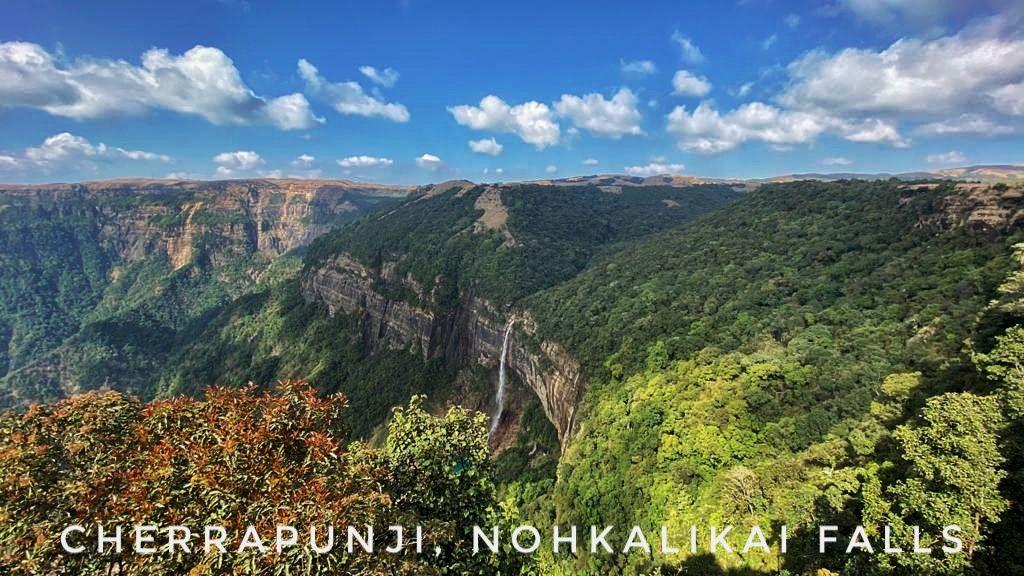
Cherrapunjee, also known as Sohra, holds the record for being one of the wettest places on Earth. Nestled in the Khasi Hills of Meghalaya, it boasts lush landscapes, cascading waterfalls, and living root bridges. The region is inhabited by the Khasi tribe, known for their matrilineal society and unique cultural practices. Cherrapunjee's sustainable initiatives focus on eco-friendly tourism, community-based homestays, and conservation of its natural wonders. Visitors can explore the living root bridges, marvel at the abundance of waterfalls, and engage with the local community to learn about their traditions and way of life.
- Mechuka, Arunachal Pradesh:
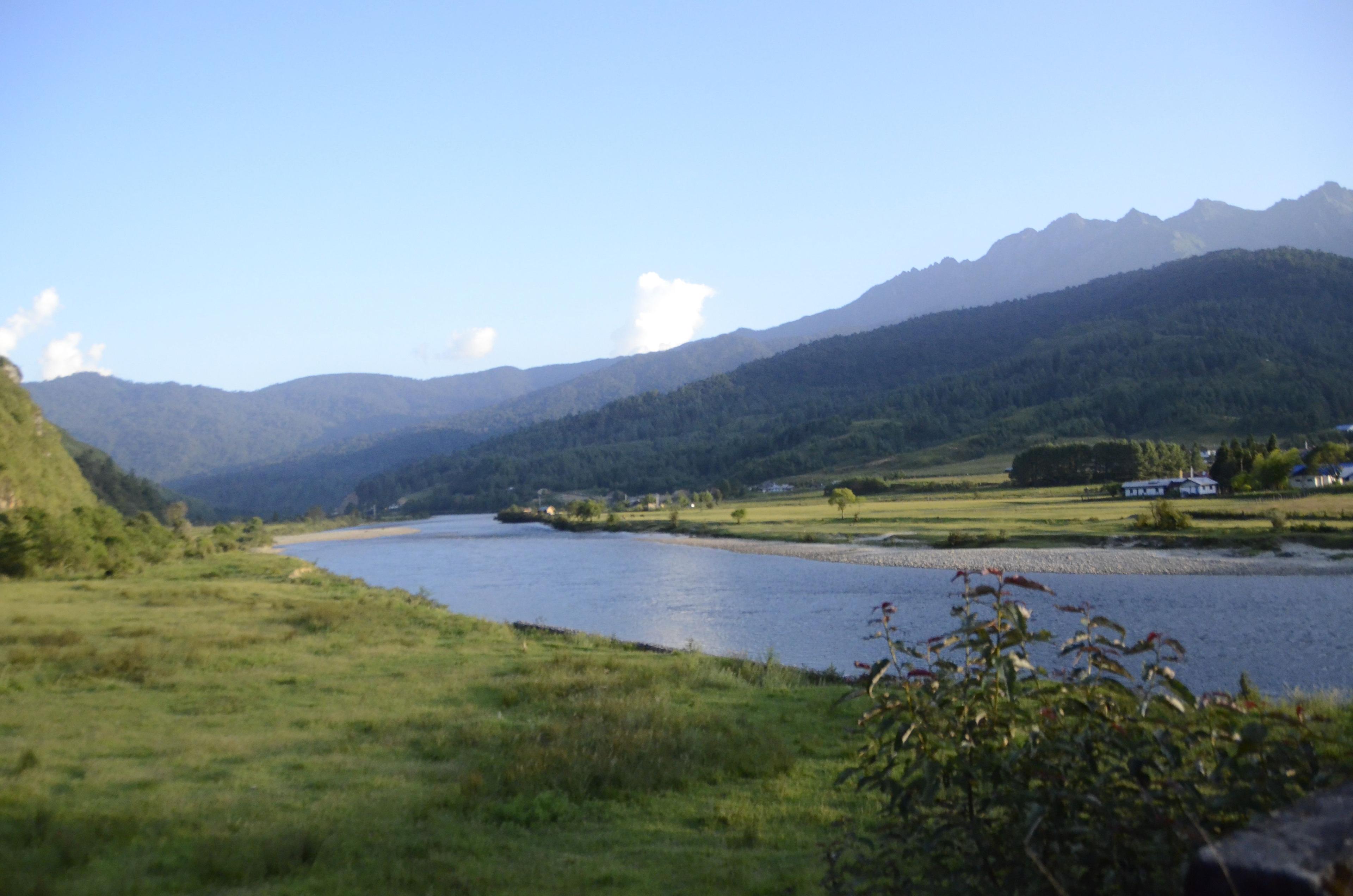
Mechuka, located in the West Siang district of Arunachal Pradesh, is a hidden gem nestled in the Himalayas. This remote valley offers stunning landscapes, snow-capped mountains, and the mesmerizing Mechuka River. The region is inhabited by the Memba tribe, known for their vibrant culture, traditional festivals, and warm hospitality. Mechuka's sustainable initiatives prioritize the preservation of its pristine environment and the promotion of community-based tourism. Visitors can indulge in nature walks, witness traditional ceremonies, and stay in eco-friendly accommodations while immersing themselves in the unique cultural heritage of the Memba people.
- Naga Heritage Village, Kohima, Nagaland:
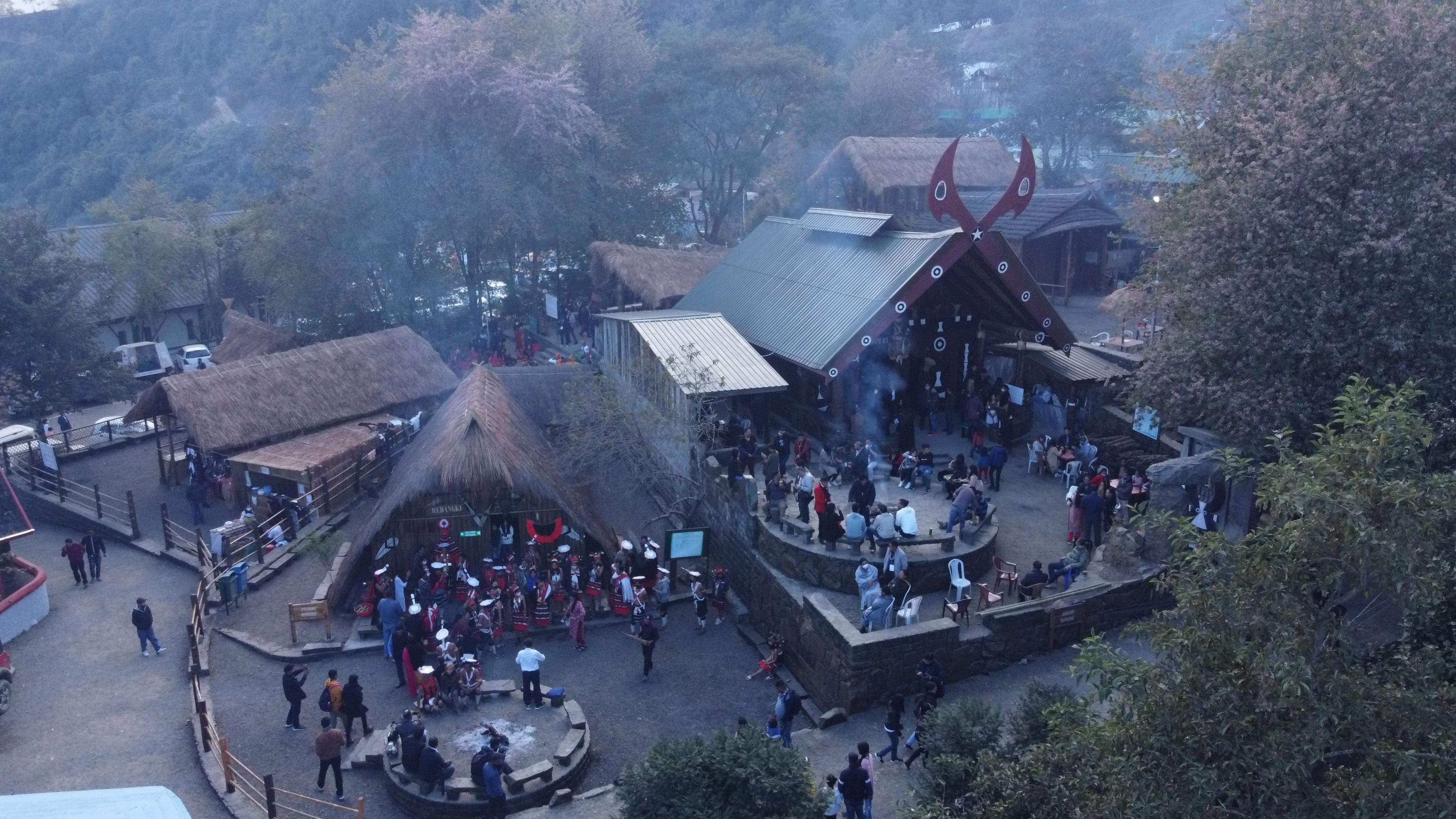
The Naga Heritage Village, situated in Kohima, Nagaland, is a living museum that celebrates the vibrant cultural heritage of the Naga tribes. The village showcases traditional Naga houses, intricate handicrafts, and showcases of indigenous art forms. It also hosts the famous Hornbill Festival, a week-long extravaganza where visitors can witness traditional dances, folk music performances, and sporting events. The Naga Heritage Village emphasizes sustainable initiatives by preserving Naga traditions, promoting eco-friendly practices, and supporting local artisans. Visitors can participate in cultural exchanges, learn about the Naga way of life, and contribute to the preservation of their rich cultural heritage.
- Sangti Valley, Arunachal Pradesh:
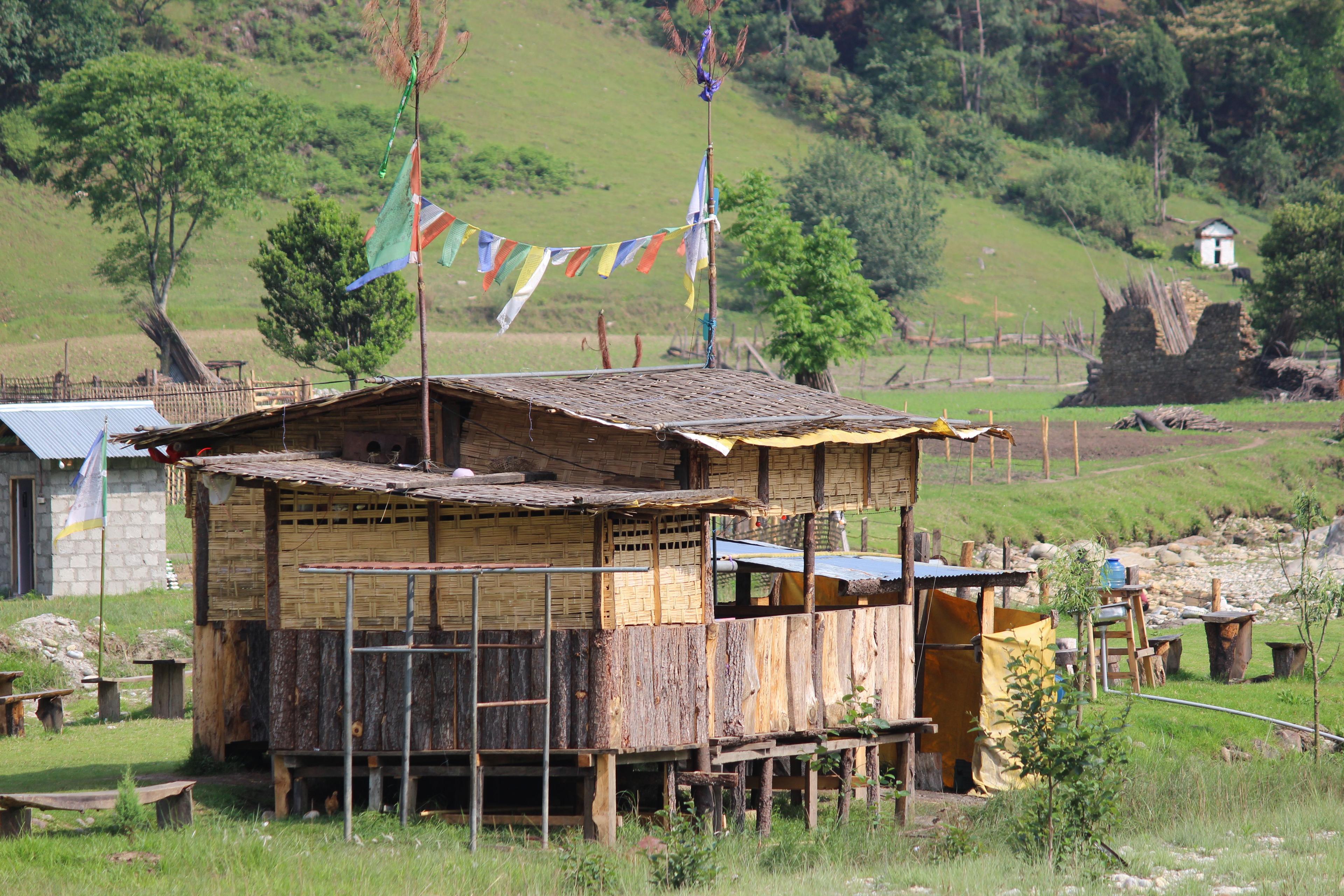
Sangti Valley, located in Arunachal Pradesh, is a picturesque valley known for its scenic beauty, apple orchards, and the migratory black-necked cranes. It offers breathtaking views of the Eastern Himalayas and serves as a gateway to the famed Tawang Monastery. The valley is home to the Monpa tribe, who practice sustainable agriculture and showcase their unique cultural traditions. Sangti Valley's sustainable initiatives focus on organic farming, community-based tourism, and wildlife conservation. Visitors can enjoy nature walks, birdwatching, and interact with the Monpa community while appreciating the valley's natural and cultural heritage